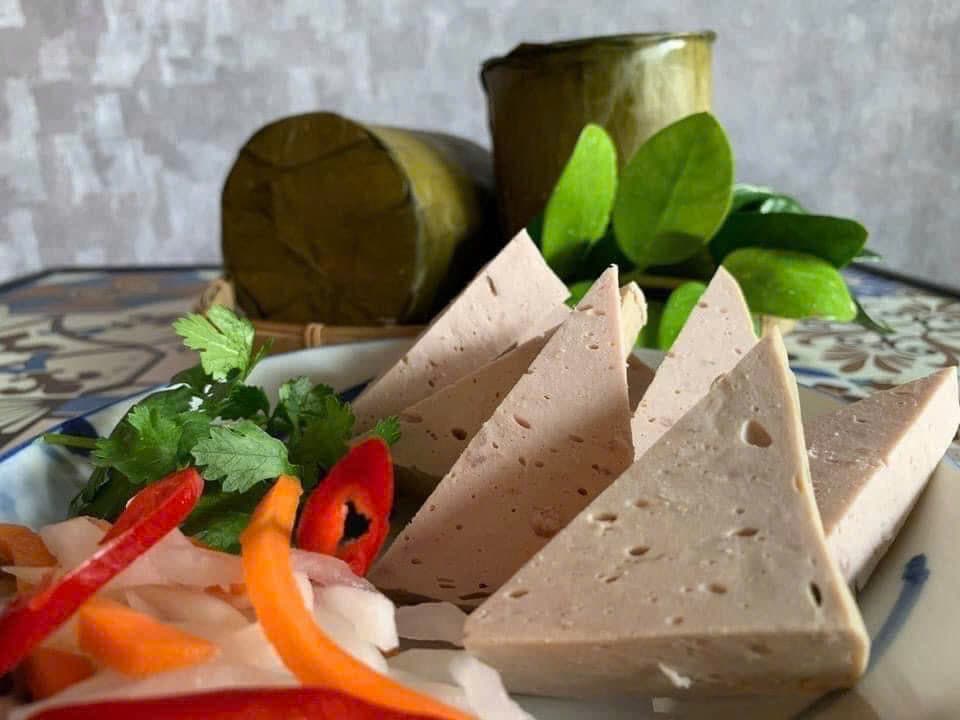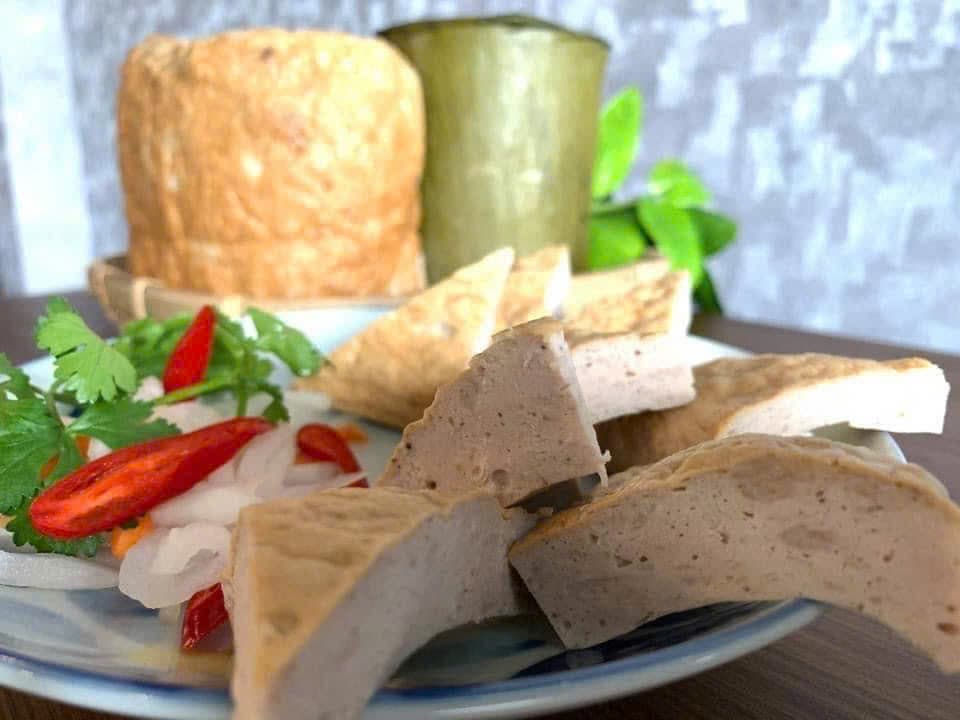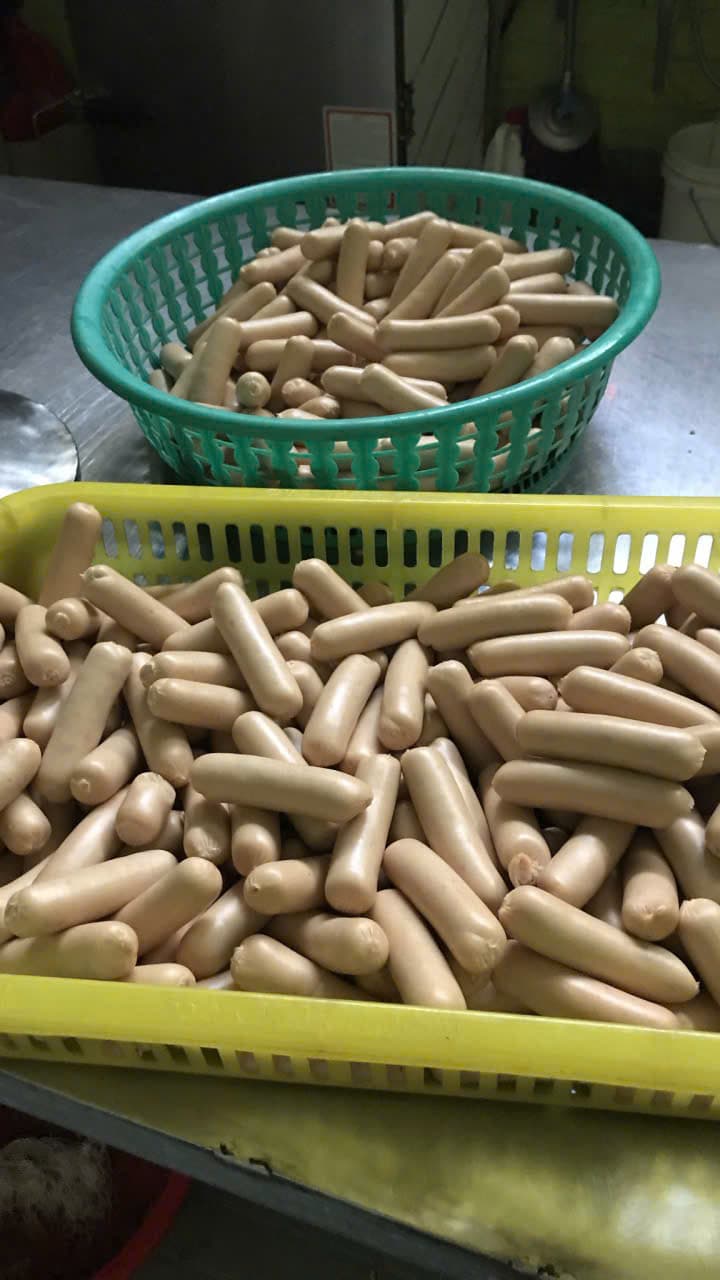
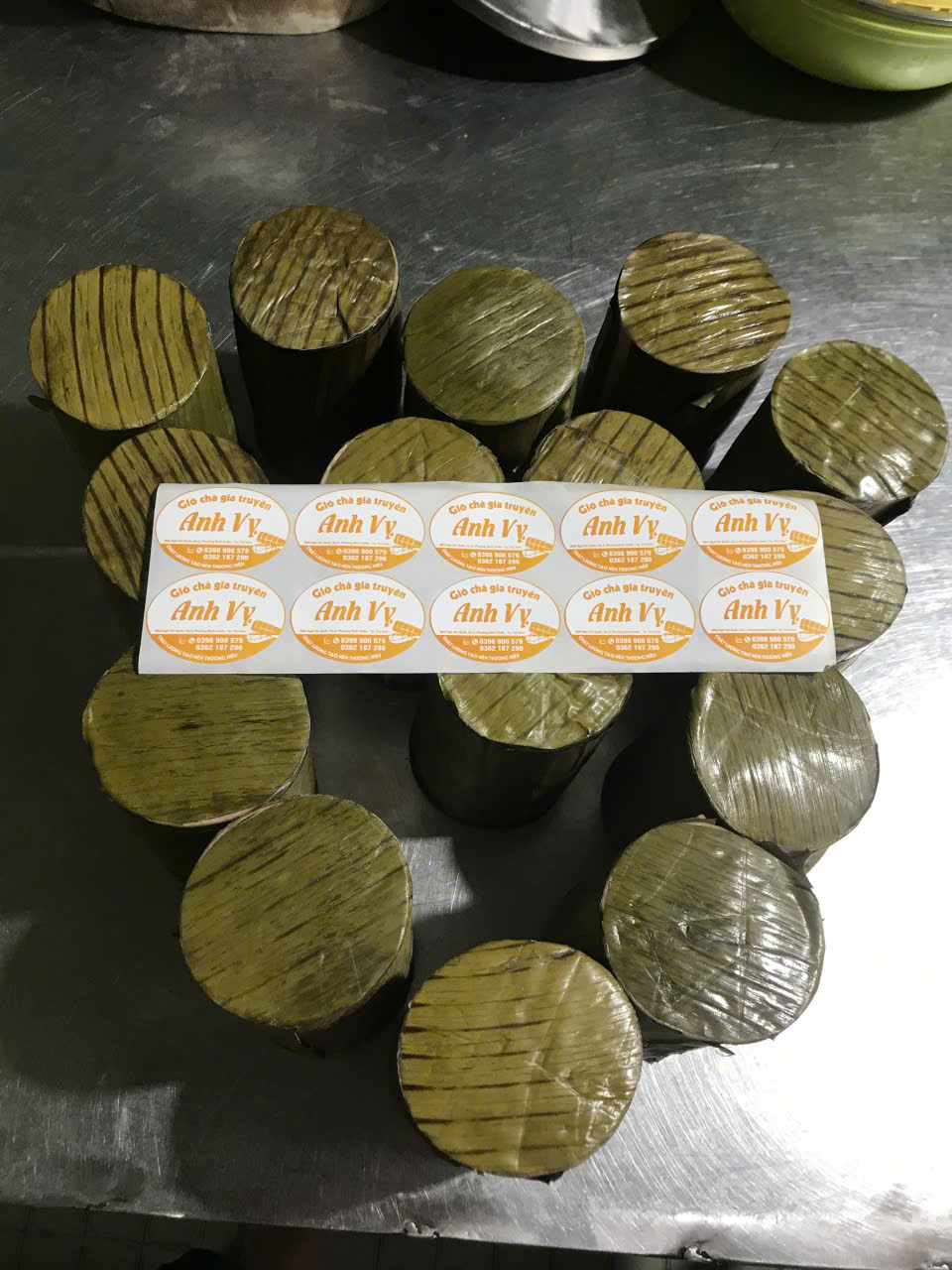
Vietnamese pork rolls can be bought as a whole roll or sliced for breakfast, family meals and celebrations. Proper storage helps preserve aroma and texture while reducing the risk of cross-contamination after opening.
1. Check the product on delivery
Make sure the packaging is intact, the product is not crushed and there is no unusual smell. Refrigerate it as soon as possible. If you do not plan to use it within a few days, ask the seller whether the product is suitable for freezing instead of guessing its shelf life.
2. Store an unopened roll
Keep clean, sealed packaging intact and place it in a separate area of the refrigerator, away from raw meat and fish. WHO guidance recommends separating raw and cooked foods to reduce cross-contamination. If the product has a label, follow its production date and storage instructions first.
3. Store a cut portion
After cutting, cover the cut surface with food wrap or place the roll in a clean, lidded container. Knives, boards and hands should be clean and dry; do not use tools that have just touched raw meat. Cut only what you plan to eat so the remaining portion has less contact with air.
If the product becomes sour, sticky, discolored, unusually swollen or develops an unfamiliar taste, discard it and contact the seller for advice. Do not repeatedly taste it to decide whether it is safe.
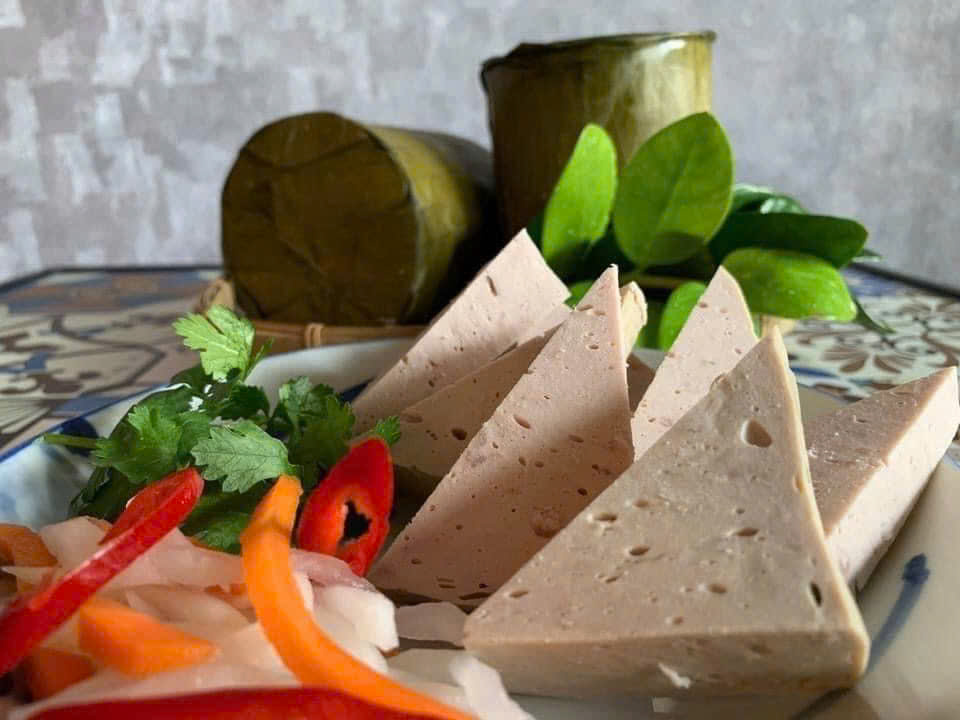
4. Reheating
Vietnamese pork rolls, beef rolls and pork rolls with cinnamon can be served cold or gently reheated. Slice only what you need and warm it until the center is evenly warm. Avoid reheating repeatedly because repeated time and temperature changes are harder to control.
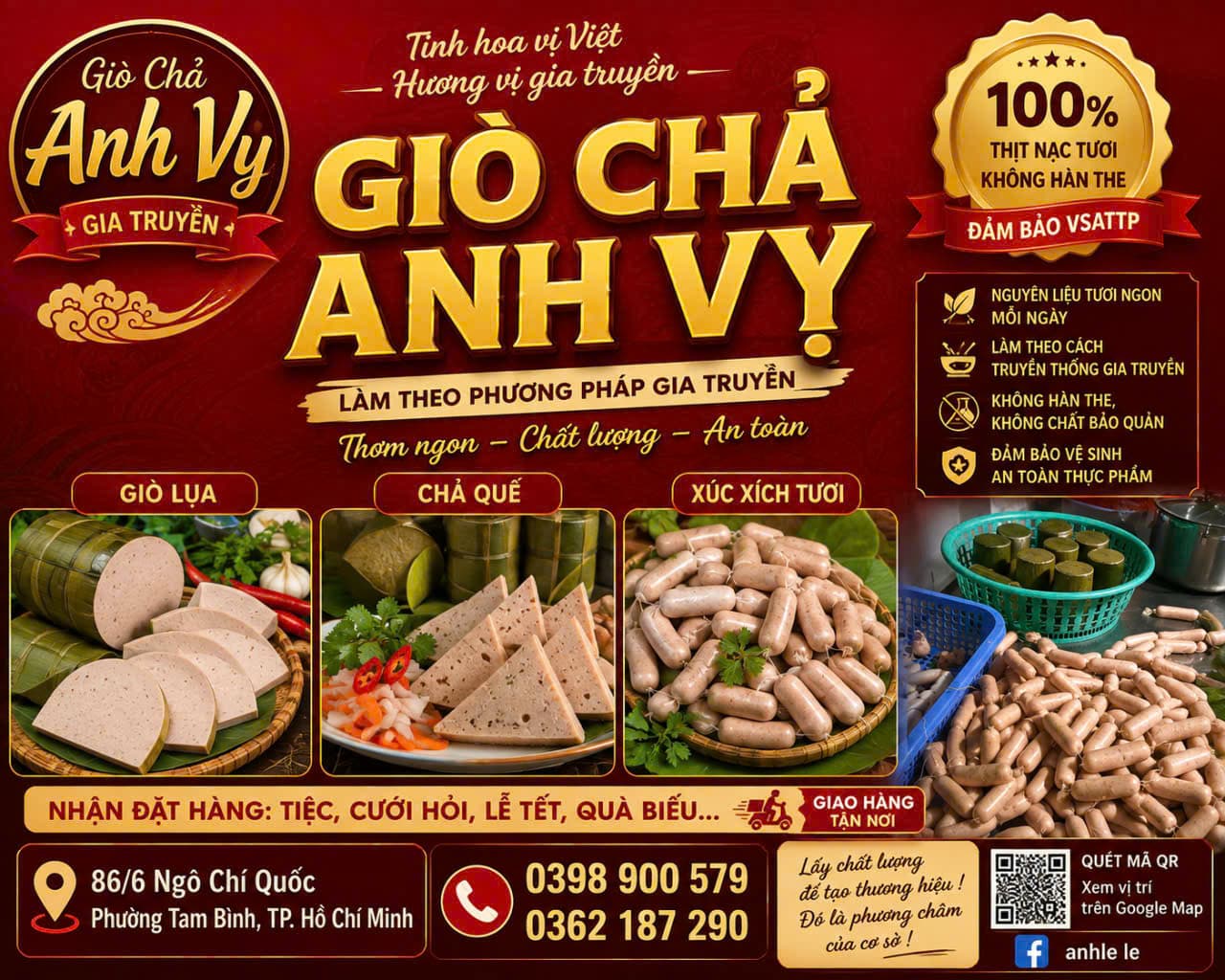
Buy fresh pork rolls from Anh Vỵ
Ask about the production schedule and storage method through the Anh Vỵ Food Facebook page or Anh Vỵ Le. You can also view the shop on Google Maps.